Cannulas
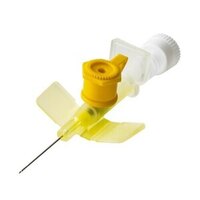
Cannulas are medical devices consisting of a thin, flexible tube that is inserted into the body to deliver or remove fluids. They are commonly used in various medical procedures, such as administering medications, fluids, or gases, drawing blood, or providing access to blood vessels for dialysis or other treatments. They come in different sizes and types depending on their specific application, such as intravenous (IV) cannulas for vein access or tracheal cannulas for airway management.
What materials are typically used to their manufacture ?
They are typically made from materials such as medical-grade plastics like polyethylene, polyurethane, or medical-grade silicone, which are chosen for their flexibility, biocompatibility, and durability. In some cases, metal components like stainless steel may be used, especially in certain types of them for specific medical applications.
How do you choose the appropriate size of a cannula ?
The appropriate size is chosen based on the patient's age, size, and the purpose of it, such as the type of fluid or medication to be administered. Generally, larger gauges are used for rapid infusion or larger volumes, while smaller gauges are suitable for smaller veins or pediatric patients. The healthcare provider considers the vein size, the patient's condition, and the clinical requirements to select the most suitable model size to ensure effective and safe access.
How often should a cannula be replaced ?
It should typically be replaced every 48 to 72 hours to reduce the risk of infection and complications, although the exact timing may vary depending on the clinical setting, the patient's condition, and institutional protocols. Regular assessment of the insertion site for signs of infection, infiltration, or other issues is essential, and replacement may be necessary sooner if complications arise.
How are they sterilized and maintained ?
They are sterilized through processes such as ethylene oxide gas sterilization, gamma radiation, or autoclaving, depending on the material and manufacturer instructions. Proper handling includes maintaining aseptic technique during insertion and removal, storing them in sterile, dry conditions, and inspecting for damage before use. After use, disposal should follow biohazard protocols, and reusable cannulas must be thoroughly cleaned and sterilized according to established guidelines to prevent infection.
What are the advantages of using a cannula over other methods of fluid delivery ?
Using it for fluid delivery offers several advantages over other methods, including:
Minimally invasive - are designed for quick and easy insertion with minimal discomfort, making them suitable for rapid access.
Precise fluid delivery - they allow accurate administration of fluids, medications, or nutrients directly into the bloodstream or tissues.
Reduced trauma - typically cause less tissue damage and reduce patient discomfort.
Versatility - come in various sizes and types, suitable for different clinical needs such as intravenous therapy, blood draws, or infusion of medications.
Lower infection risk - can reduce the risk of infection compared to more invasive surgical procedures.
Ease of monitoring and replacement - can be easily monitored, replaced, or flushed to ensure patency and prevent blockages.
Can they be reused, or are they single-use devices ?
They are generally designed to be single-use devices. Most medical protocols and manufacturers recommend disposing of them after one use to prevent infection and maintain safety standards. Reusing cannulas can increase the risk of contamination, infection, and device failure, as they may become damaged or contaminated during use.
However, in certain settings with strict sterilization procedures and specific types of reusable ones (such as some specialized or surgical-grade models), reprocessing might be possible. This involves thorough cleaning, sterilization, and inspection before reuse.
Important: Always follow the manufacturer's guidelines and institutional protocols regarding reuse. In most cases, to ensure patient safety, it is best to use disposable, single-use ones and dispose of them properly after use.