Surgical retractors
Surgical retractors are specialized medical instruments used by surgeons to hold back tissues, organs, or other structures during surgical procedures. Their primary purpose is to create and maintain a clear, unobstructed view of the operative field, allowing the surgeon to access the area of interest safely and effectively. By retracting tissues such as skin, muscle, fat, or fascia, these tools facilitate precise surgical manipulation, improve visibility, and help minimize tissue trauma.
They come in various shapes, sizes, and designs, tailored to different surgical needs and anatomical regions. They can be manually operated, requiring an assistant to hold them in place, or self-retaining, designed to stay in position without continuous manual effort through mechanisms like ratchets or locking devices.
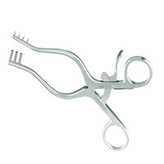
army-navy retractor
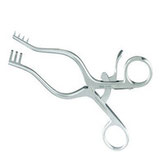
deaver retractor
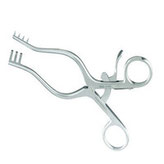
hohmann retractor
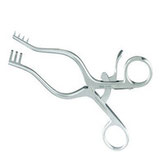
ribbon retractor
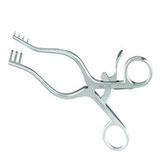
weitlaner retractor
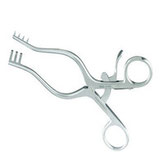
balfour retractor
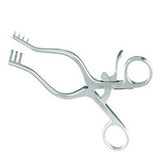
richardson retractor
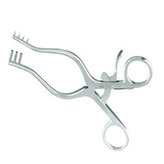
senn retractor
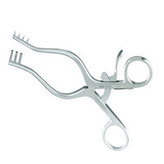
farabeuf retractor
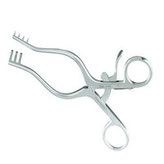
rake retractor
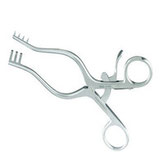
gelpi retractor
Applications in surgical disciplines
Retractors are widely used across various surgical disciplines to facilitate access and improve visualization of the operative field. In general surgery, they are employed during abdominal procedures such as gastrectomy, appendectomy, and hernia repairs, allowing surgeons to manipulate soft tissues, organs, and vessels with ease. In neurosurgery, they are used to gently hold back brain tissues or spinal structures, providing a clear view for tumor excisions, craniotomies, and spinal surgeries. Orthopedic surgeries utilize them to expose bones, joints, and soft tissues during fracture fixations, joint replacements, and spinal instrumentation. Obstetrics and gynecology rely on them during procedures like hysterectomy, ovarian cystectomy, and pelvic organ prolapse repairs to access reproductive organs safely. Plastic and reconstructive surgeries use them to facilitate delicate tissue handling in procedures such as facelifts, burn management, and microsurgical repairs. Thoracic surgeries employ them to gain access to the lungs, heart, and esophageal structures for resections and repairs.
What materials are commonly used to manufacture retractors for surgery ?
They are commonly manufactured using materials such as stainless steel due to its durability, corrosion resistance, and ease of sterilization. High-grade surgical stainless steel, like 304 or 316L, is preferred for its strength and biocompatibility. In some cases, lightweight alloys like titanium are used, especially for specialized or implantable retractors, because of their strength-to-weight ratio and corrosion resistance. Additionally, some of them may incorporate medical-grade plastics or polymers for handles or specific components to reduce weight and improve ergonomics, though the primary structural parts are typically metal.
What are some of their common sizes ?
Common sizes vary depending on their specific type and intended use, but generally, they come in a range of sizes to accommodate different surgical procedures. Small ones may measure around 4 to 6 inches (10 to 15 cm) in length and are used for minor or delicate surgeries, such as facial or ophthalmic procedures. Medium-sized ones typically range from 6 to 8 inches (15 to 20 cm) and are suitable for general purposes. Larger ones can be 8 to 12 inches (20 to 30 cm) or more, used in extensive surgeries like abdominal or orthopedic procedures. The width of the blades can also vary, from narrow, fine blades for precise work to broader blades for holding back larger tissue areas.
How does the size and shape of a surgical retractor affect its effectiveness ?
The size and shape significantly influence its effectiveness by determining how well it can expose the surgical field and how gently it interacts with tissues. A properly sized one should be large enough to hold back tissues adequately without causing unnecessary trauma or pressure, ensuring clear visibility and access for the surgeon. The shape of it, including the design of its blades or prongs, affects how it contacts tissues; for example, smooth, rounded edges help minimize tissue damage, while specific blade profiles can better conform to anatomical contours, improving exposure. The shape also impacts the retractor’s ability to reach into deep or narrow spaces; slender, elongated designs are useful for accessing deep sites, whereas broader ones provide more surface contact for superficial areas.
How do you properly sterilize surgical retractors ?
To properly sterilize them, you should first rinse them immediately after use with cold water to remove blood and tissue, then scrub all surfaces thoroughly with a brush and enzymatic detergent to eliminate debris. After cleaning, rinse them again and dry completely to prevent rusting. Inspect the instruments for damage or residual debris before packaging them in sterilization pouches or wraps. The most common method is autoclaving (steam sterilization), where they are exposed to saturated steam at 121°C (250°F) for 15-30 minutes or at 134°C (273°F) for a shorter time, following manufacturer guidelines. Alternatively, gas sterilization using ethylene oxide or vaporized hydrogen peroxide can be used for heat-sensitive materials. Once sterilized, store them in a clean, dry environment until needed, ensuring they remain sterile. Always follow the manufacturer’s instructions and institutional protocols for sterilization.
How do you choose the appropriate retractor for a specific surgical procedure ?
To choose the appropriate one for a specific surgical procedure, you need to consider the location and size of the surgical site, the depth and accessibility of the area, and the amount of tissue that needs to be held back to provide adequate exposure. It is important to evaluate the type of tissue involved, whether delicate or dense, to select it with suitable blade design and size that can gently hold tissue without causing damage. The surgeon’s preference and experience also play a role, along with the need for them that are easy to handle and provide sufficient visibility. Additionally, the surgical approach, whether open or minimally invasive, influences the choice, some of them are specifically designed for specific techniques.
How are they cleaned and maintained ?
Retractors are cleaned and maintained through a careful process to ensure they remain sterile and in good working condition. After each use, they should be thoroughly rinsed with warm water to remove blood, tissue, and debris. They are then scrubbed with a brush and a suitable enzymatic or hospital-grade detergent to eliminate any remaining organic material. Rinsing again with clean water follows to remove any detergent residue. They are then dried completely to prevent rust and corrosion, often using a clean cloth or air drying. Once dry, they are inspected for any signs of damage, such as bends, cracks, or corrosion, and any issues are addressed or reported for repair. Many of them are sterilized using autoclaving, which involves high-pressure saturated steam at the appropriate temperature and duration, ensuring they are sterile for the next use. Proper storage in a clean, dry environment also helps maintain their condition. Regular maintenance includes checking hinges, blades, and locking mechanisms to ensure they function smoothly and safely.