Surgical chisels
Surgical chisels are specialized surgical instruments used by surgeons to cut or shape bone, cartilage, or other hard tissues during surgical procedures. They are similar in function to woodworking chisels but are designed with precision and sterilization in mind for medical use. They typically have a handle and a sharp, beveled blade or cutting edge, allowing the surgeon to carefully and precisely remove tissue or reshape bones.
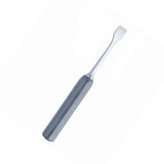
freer chisel
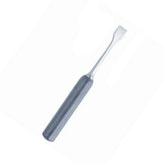
hibbs chisel
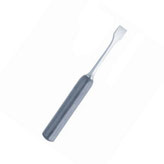
cottle chisel
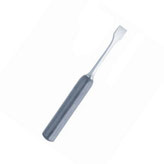
dental chisel
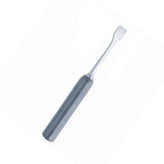
bone chisel
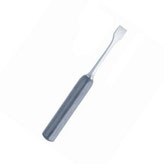
army pattern chisel

hoke chisel
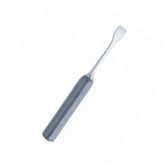
stille chisel

alexander chisel
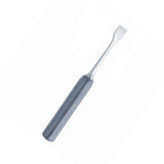
lexer chisel

hajek septum chisel
What materials are they commonly made from ?
They are commonly made from high-grade stainless steel, which provides durability, corrosion resistance, and the ability to withstand sterilization processes. Some specialized chisels may also be made from other medical-grade alloys or tungsten carbide for enhanced hardness and cutting efficiency.
What surgical procedures typically use chisels ?
They are typically used in orthopedic surgeries, neurosurgery, maxillofacial procedures, and certain cosmetic or reconstructive surgeries where precise bone cutting or removal of hard tissues is required. They are often employed to split, carve, or shape bones and cartilage during these procedures.
How do you properly clean and maintain surgical chisel ?
To properly clean and maintain it, it should be thoroughly cleaned immediately after use using a suitable enzymatic or ultrasonic cleaner to remove blood, tissue, and debris. Rinsing with sterile water and drying completely is essential to prevent corrosion. Sterilization should be performed following the manufacturer's instructions, typically through autoclaving at appropriate temperatures and pressures. Regular inspection for signs of damage, such as dullness, cracks, or corrosion, is important, and any damaged instruments should be repaired or replaced. Proper storage in a dry, sterile environment, often in a designated instrument tray or case, helps maintain their condition and readiness for future use.
How does its design ensure precision ?
The design ensures precision through its sharp, well-finished cutting edge that allows for clean and controlled incisions, and its ergonomic handle that provides a secure grip for accurate manipulation. Its appropriate size and shape are tailored to specific surgical procedures, enabling precise targeting of tissues or bones. Additionally, the rigid construction from high-quality materials maintains stability during use, preventing flexing or wobbling that could compromise accuracy. These combined features allow surgeons to perform delicate and exact cuts with minimal tissue damage.
What are the common sizes of chisels for surgery ?
Common sizes vary depending on their intended use, but generally, they range from small sizes around 3 mm to larger sizes up to 20 mm or more in width. Smaller chisels, such as 3 mm to 6 mm, are used for delicate procedures involving fine bones or tissues, while larger chisels, like 10 mm to 20 mm, are employed in more extensive bone work or orthopedic surgeries. Their length can also vary, typically ranging from 10 cm to 20 cm, to provide appropriate leverage and control during surgical procedures.
How are they sterilized in a clinical setting ?
They are sterilized in a clinical setting primarily through methods such as autoclaving, which involves steam sterilization under high pressure and temperature, typically around 121°C to 134°C for a specified duration. Prior to autoclaving, the chisels are thoroughly cleaned to remove any organic material or debris, often using ultrasonic cleaners or manual scrubbing with disinfectants. Chemical sterilants like ethylene oxide gas or cold sterilization solutions may also be used for heat-sensitive instruments, ensuring thorough sterilization without damaging the instrument. Proper handling and storage after sterilization are maintained to prevent contamination, ensuring the chisels remain sterile until their next use.
Can surgical chisels be reused, and what is the protocol ?
Yes, they can be reused if they are properly sterilized and maintained. The protocol involves pre-cleaning immediately after use to remove blood and tissue, followed by thorough cleaning with scrubbing or ultrasonic cleaning to eliminate debris. After cleaning, the chisels should undergo high-level disinfection if necessary, and then be sterilized using an autoclave or other approved sterilization method according to manufacturer instructions. Once sterilized, they should be stored in a sterile environment until the next use. Before reuse, an inspection should be performed to check for any damage or corrosion, and if the instrument is found to be damaged, it should be replaced. This process ensures the safety, effectiveness, and longevity of them.
How are they sharpened or maintained ?
They are maintained and sharpened through careful and precise techniques to ensure they remain effective and safe for use. Typically, they are sharpened using fine-grit sharpening stones or honing devices, ensuring the beveled edge is restored without altering the original angle. The process involves holding the chisel at the correct angle and gently honing the edge in a consistent manner, often with the aid of a strop or fine abrasive to polish the cutting surface. Regular inspection is important to detect dullness, nicks, or damage, and sharpening should be performed as needed to maintain a sharp edge. Proper cleaning and sterilization after sharpening are essential to prevent contamination. Additionally, avoiding excessive force or improper handling helps preserve the integrity of the instrument, prolonging its lifespan and ensuring optimal performance during surgical procedures.
What are the signs of wear or damage in it ?
Signs of wear or damage in a surgical chisel include a dull or rounded edge that reduces cutting efficiency, nicks or chips along the beveled edge indicating impact damage, corrosion or rust spots that compromise material integrity, cracks or fractures in the metal suggesting structural weakness, and bending or warping of the instrument which affects precision. Additionally, visual signs such as uneven or jagged edges, surface pitting, or discoloration may indicate deterioration. Regular inspection for these signs is essential to determine if the chisel requires sharpening, repair, or replacement to ensure safe and effective surgical performance.