Surgical forceps
Surgical forceps are specialized medical instruments used by healthcare professionals to grasp, hold, manipulate, or remove tissues, objects, or materials during surgical procedures. They function similarly to tweezers or tincer tools and come in various shapes and sizes tailored to specific tasks, such as clamping blood vessels, suturing, or handling tissues delicately.
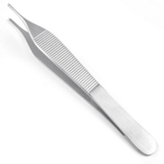
dental extraction forceps
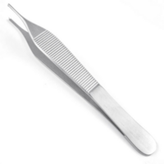
tissue forceps
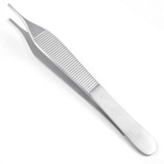
halsted mosquito forceps
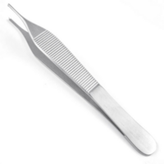
allis forceps
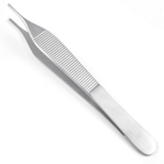
clamp forceps
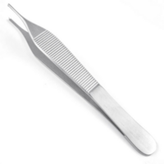
thumb forceps
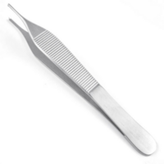
hemostatic forceps
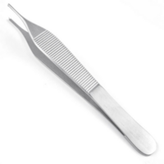
babcock forceps
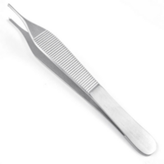
kelly forceps
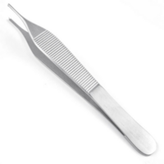
biopsy forceps
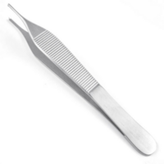
hysterectomy forceps
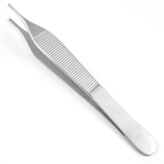
placenta forceps
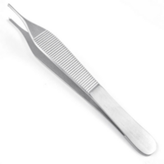
uterine forceps
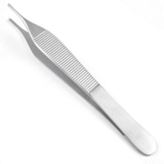
miscellaneous forceps
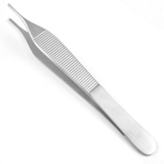
bipolar forceps
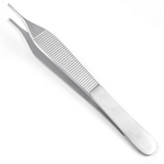
tenaculum forceps
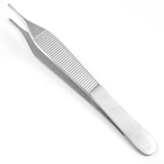
castroviejo suturing forceps
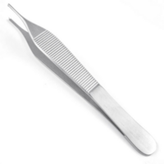
vasectomy forceps
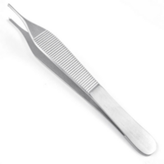
brown forceps
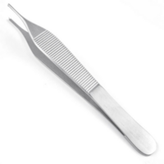
backbiting forceps
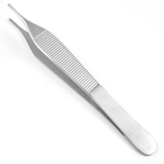
carmalt forceps
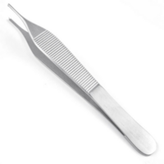
artery forceps
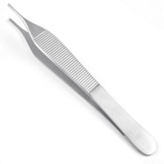
grasping forceps
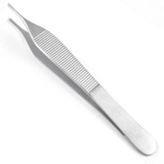
intestinal forceps
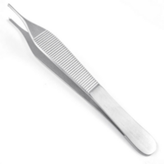
sponge forceps
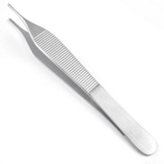
vulsellum forceps
What materials are commonly used to their manufacture ?
They are commonly manufactured from stainless steel due to its durability, corrosion resistance, and ease of sterilization. Some specialized ones may also be made from other materials like titanium, especially in cases requiring lightweight or MRI-compatible instruments.
How do forceps contribute to minimizing tissue trauma during surgery ?
They contribute to minimizing tissue trauma during surgery by providing a gentle, controlled grip on tissues, reducing unnecessary pressure and tearing. Their design features - such as fine, serrated, or smooth tips - allow for precise handling tailored to different tissue types, ensuring secure yet gentle grasping. The appropriate choice of them, along with proper technique, helps distribute force evenly and avoid crushing or damaging delicate tissues. Additionally, using them with appropriate jaw size and shape minimizes trauma by accommodating the tissue's natural contours, preventing excessive compression. Proper handling and gentle manipulation with well-designed ones help preserve tissue integrity, promote better healing, and reduce postoperative complications.
How are they sterilized before use ?
Forceps for surgery are sterilized before use through methods such as steam sterilization (autoclaving), ethylene oxide gas sterilization, or low-temperature hydrogen peroxide plasma sterilization. Autoclaving is the most common method, involving high-pressure saturated steam at temperatures typically around 121°C to 134°C for a specified period. Proper cleaning prior to sterilization is essential to remove any debris or biological material, ensuring effective sterilization and preventing infection.
How can you identify the different types of them based on their design ?
Different types can be identified based on their design features such as the shape and pattern of the tips, the presence of teeth or serrations, the overall length and curvature, and any specialized features like locking mechanisms or textured handles.
What are the common sizes of surgical forcep used in procedures ?
Common sizes used in procedures typically range from 15 to 30 centimeters in length, with smaller sizes around 15 to 20 centimeters used for delicate or microsurgical work, medium sizes around 20 to 25 centimeters for general procedures, and larger sizes up to 30 centimeters for deep or cavity surgeries.
What are the differences between disposable and reusable forceps ?
Disposable forceps are designed for single use, made from inexpensive materials, and intended to be discarded after a procedure to prevent cross-contamination. They are usually lightweight, sterile, and do not require sterilization after use. Reusable forceps, on the other hand, are made from durable materials like stainless steel, intended for multiple uses, and require proper cleaning, sterilization, and maintenance after each use to ensure safety and functionality. Reusable ones tend to be more precise and sturdy, while disposable ones prioritize convenience and infection control.
How should they be cleaned and maintained ?
They should be thoroughly cleaned immediately after use by rinsing with warm water to remove blood, tissue, and debris. They should then be scrubbed with a soft brush and a neutral pH detergent or enzymatic cleaner to ensure all contaminants are removed. Rinsing thoroughly with distilled or deionized water helps prevent mineral deposits. After cleaning, they should be dried completely to prevent rust and corrosion, preferably using lint-free cloths or air drying. They should then be inspected for damage or wear, and any damaged instruments should be repaired or replaced. Proper sterilization, typically through autoclaving, is essential before reuse. Regular maintenance includes lubrication of joints with appropriate instrument oil to ensure smooth operation and periodic calibration or repair as needed. Proper storage in a dry, clean environment in designated instrument trays or pouches helps maintain their condition over time.
How do you choose the appropriate forceps for a specific surgical procedure ?
Choosing the appropriate ones for a specific surgical procedure involves considering the type of tissue being handled, the delicacy of the procedure, and the design features of them. It’s important to select them with a suitable jaw configuration, such as ratchet or locking mechanisms, serration type, and tip design that match the tissue's requirements. The size and length should correspond to the depth and accessibility of the surgical site, ensuring adequate control without causing unnecessary trauma. The material and coating should be compatible with sterilization processes and minimize tissue adhesion. Additionally, familiarizing oneself with commonly used ones for specific procedures. Ultimately, selecting them that provide precise grip, minimal tissue damage, and ease of handling enhances surgical efficiency and patient safety.
How can you tell if a pair of forcep for surgery is damaged or needs replacement ?
You can tell if a pair of it is damaged or needs replacement by visually inspecting the tips for cracks, chips, or misalignment, checking that the locking mechanism engages properly and moves smoothly, examining the serrations for wear or damage, and ensuring there is no corrosion or surface deterioration. Additionally, testing the movement to see if it is smooth and free of resistance or looseness can reveal issues. If any of these signs are present, especially damage to the tips or compromised locking mechanisms, they should be repaired or replaced to maintain safety and effectiveness.