Needle holders
Needle holders are specialized surgical instruments used by healthcare professionals to securely hold and manipulate needles during suturing procedures. They typically feature a locking mechanism (such as a ratchet) that allows the user to grip the needle firmly without slipping, providing precision and control. They have a scissor-like design with blunt, rounded tips to minimize tissue trauma and often have textured or serrated jaws to grip needles effectively. They are essential tools in surgeries and wound care for closing tissues with sutures.
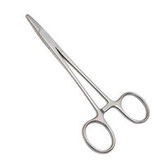
mathieu needle holder
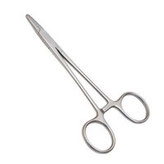
heaney needle holder
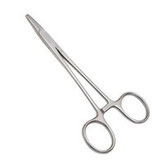
converse-derf needle holder
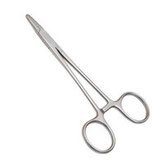
debakey needle holder
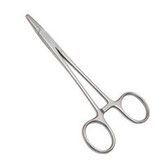
finochietto needle holder
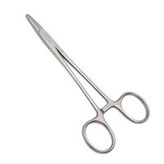
mayo-hegar needle holder
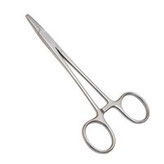
nolan needle holder
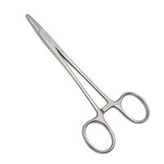
sarot needle holder
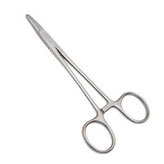
webster needle holder

castroviejo needle holder
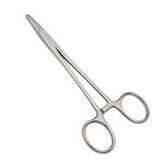
baumgartner needle holder
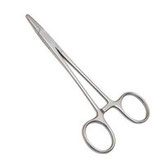
crile-wood needle holder
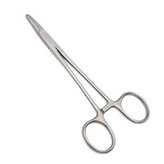
derf needle holder
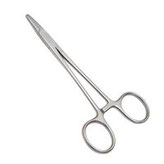
halsey needle holder
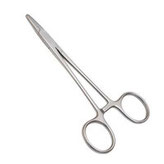
neivert needle holder
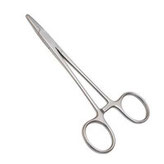
olsen-hegar needle holder

stratte needle holder
What materials are usually used in their production ?
These holders are typically made from surgical-grade stainless steel, which provides strength, corrosion resistance, and ease of sterilization. Sometimes, carbon steel is used for its hardness, though it requires special coatings to resist corrosion. Titanium may also be used in certain cases for its lightweight and high-strength properties.
How do you sterilize a needle holder ?
To sterilize it, you can use methods such as autoclaving, which involves exposing the instrument to high-pressure saturated steam at 121°C (250°F) for about 15-20 minutes, ensuring complete sterilization. Alternatively, chemical sterilants like glutaraldehyde or ethylene oxide gas can be used, especially for heat-sensitive instruments. It is important to thoroughly clean it before sterilization to remove any blood, tissue, or debris, and to follow the manufacturer's instructions for specific sterilization procedures to ensure safety and effectiveness.
What sizes of them are available and how do you choose the right size ?
Common sizes typically range from small to large, with lengths varying from approximately 11 centimeters (4.3 inches) to 20 centimeters (7.9 inches). Standard sizes often include 12 centimeters (4.7 inches), 13 centimeters (5.1 inches), 14 centimeters (5.5 inches), and 16 centimeters (6.3 inches), with larger sizes like 18 or 20 centimeters used for specific procedures or preferences. The appropriate size depends on the type of procedure, the size of the surgical site, and the size of the needle being used. For delicate or microsurgical procedures, smaller, finer ones are preferred to provide better control and precision. In contrast, larger ones are used for more extensive surgeries requiring greater strength and stability. Selecting the right size involves considering the surgeon’s comfort, the specific requirements of the procedure, and the need for precise handling to ensure safety and efficiency.
How do different designs of them affect their usability ?
Different designs of needle holders influence their usability by affecting ease of handling, precision, and suitability for various surgical procedures. For instance, straight ones are versatile and suitable for most general surgeries, offering straightforward control. Curved ones provide better access and visibility in confined or deep surgical sites, making it easier to maneuver around tissues. The locking mechanism's design - such as ratchet locks - affects how securely the needle is held and how easily it can be released, impacting safety and efficiency. The size and weight also influence fatigue; lighter, ergonomic designs reduce hand strain during prolonged procedures. Some of them feature textured or serrated jaws to enhance grip on needles, preventing slipping.
How do you maintain and clean a needle holder to ensure longevity ?
To maintain and clean it and ensure its longevity, it is essential to follow proper sterilization and maintenance procedures. After each use, rinse it thoroughly with warm water to remove blood, tissue, and debris. Use a soft brush and mild detergent or enzymatic cleaner to scrub the instrument gently, paying special attention to the joints and locking mechanisms. Rinse again to remove any detergent residue. Dry it completely with a soft, lint-free cloth to prevent rust and corrosion. Regularly inspect the instrument for signs of wear, damage, or corrosion, and replace if necessary. Lubricate the locking mechanism and joint pivots with a surgical instrument lubricant to ensure smooth operation. Store it in a dry, sterile environment, preferably in a protective case or tray, to prevent damage and contamination. Proper handling, timely cleaning, and routine maintenance help preserve the sharpness, functionality, and overall its lifespan.
How should needle holders be stored when not in use ?
When not in use, they should be thoroughly cleaned, disinfected, and completely dried to prevent rust and corrosion. They should be stored in a dry, sterile environment, preferably in a designated instrument tray, pouch, or case that protects them from dust, moisture, and physical damage. It is important to keep them away from excessive humidity and to store them separately or in designated compartments to avoid misplacement or contact with other instruments that could cause damage. Regular inspection and maintenance are also necessary to ensure they remain in good condition and ready for safe use.
How do you identify a high-quality product ?
A high-quality holder can be identified by its precise and smooth locking mechanism, ensuring secure grip without excessive force. The jaws should align perfectly and be capable of holding needles firmly without slipping or damaging them. The instrument should be made of high-grade, corrosion-resistant stainless steel, giving it durability and a polished finish. The handles should provide a comfortable grip and balance for ease of use. Additionally, the movement of the finger rings should be smooth and free of looseness or stiffness, indicating good craftsmanship.