Surgical rongeurs
Surgical rongeurs are specialized medical instruments used by surgeons, particularly in dental, orthopedic, neurosurgical, and other surgical procedures. They are designed for cutting, trimming, or removing dense tissues, bones, or calcified material.
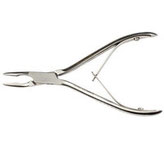
leksell rongeur
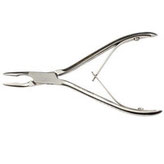
beyer rongeur
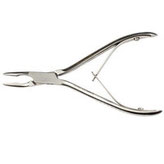
ruskin rongeur
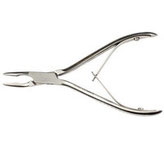
bone rongeur
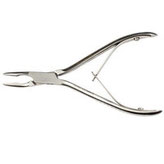
kleinert kutz rongeur
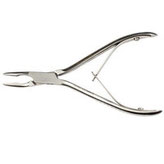
stille luer rongeur
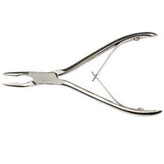
friedman rongeur
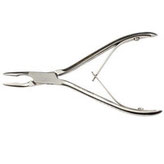
kerrison rongeur
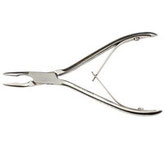
blumenthal rongeur
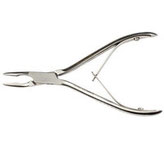
echlin rongeur
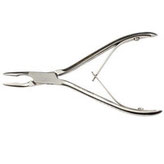
laminectomy rongeur
In which surgical specialties are rongeurs most frequently utilized ?
They are versatile instruments that find extensive use across various medical specialties. They are most frequently utilized in dental surgery for extracting or reshaping bone and tissue, as well as in orthopedic procedures for cutting and removing bone or dense tissue. In neurosurgery, they are essential for removing small sections of bone or tissue to gain access to the brain or spinal cord. Maxillofacial surgery relies heavily on them for procedures involving facial bones and jaw reconstruction. Additionally, in ENT (ear, nose, and throat) surgeries, these instruments are used for removing bone or calcified tissue in procedures such as sinus surgeries or ear surgeries. Their ability to precisely cut, remove, or reshape dense tissues makes them indispensable in these specialties, contributing significantly to the success of complex surgical interventions.
What materials are they typically made from ?
They are typically made from high-grade stainless steel due to its excellent strength, durability, and corrosion resistance, which are essential qualities for maintaining sharpness and ensuring sterilization without degradation. Some advanced ones may incorporate specialized alloys or coatings, such as tungsten or other hardening materials, to enhance cutting edges and prolong instrument lifespan. The handles are often designed with ergonomic features and may include non-slip grips made from rubber or other composite materials to provide better control and comfort during procedures.
How do you properly sterilize surgical rongeur ?
Proper sterilization involves thoroughly cleaning the instruments to remove blood, tissue, and other debris, typically by manual scrubbing with a brush and enzymatic cleaner or through ultrasonic cleaning to ensure all residues are eliminated. After cleaning, the instruments should be rinsed with sterile water to remove any soap or cleaning agents. Once cleaned, they are dried completely to prevent water spots and corrosion. The next step is sterilization, which can be achieved using methods such as autoclaving, where the instruments are exposed to high-pressure saturated steam at temperatures of around 121 to 134 degrees Celsius for a specified period, usually 15 to 30 minutes depending on the autoclave settings. Alternatively, chemical sterilants like glutaraldehyde or ethylene oxide gas can be used, especially for heat-sensitive instruments, but autoclaving remains the most common and reliable method. After sterilization, they should be stored in a sterile environment, preferably in sealed, sterile containers or packaging to maintain their sterility until use. Proper handling during all these steps ensures that the instruments remain sterile and safe for surgical procedures.
What are the common sizes of them ?
The common sizes vary depending on the specific type and intended use, but generally, they range from small to large, with lengths typically between 8 inches (20 centimeters) and 12 inches (30 centimeters). Smaller ones, around 8 inches, are often used for delicate procedures or in tight spaces, while larger ones, up to 12 inches, are suited for procedures requiring greater leverage and strength. The jaw sizes also differ, with common dimensions ranging from approximately 3 millimeters to 10 millimeters in width, depending on the application.
How do you maintain and care for surgical rongeurs after use ?
After use, they should be carefully cleaned to remove blood, tissue, and debris, typically by manual scrubbing with a soft brush and enzymatic cleaner or through ultrasonic cleaning to ensure thorough removal of residues. Rinsing with sterile water or a suitable cleaning solution helps eliminate any remaining contaminants. It is important to dry the instruments completely with a lint-free cloth or compressed air to prevent water spots and corrosion. Before storage, inspect them for any damage or wear, ensuring the cutting edges are sharp and functioning properly. Proper maintenance also involves lubricating the joints and hinges with a surgical instrument lubricant to ensure smooth operation and prevent rusting. Sterilizing the instruments using an autoclave or appropriate sterilization method follows, ensuring they are sterile and ready for future use. After sterilization, store them in a dry, sterile environment, preferably in sealed containers or packaging to maintain sterility and prevent contamination. Regular maintenance, proper cleaning, and correct storage extend the lifespan of the instruments and ensure their safe and effective performance during surgical procedures.
How do you identify the appropriate type of rongeur for surgery for a specific procedure ?
To identify the appropriate type for a specific procedure, you need to consider factors such as the anatomical site and tissue type involved, the size and reach required, and the specific function needed, such as bone removal or tissue excision. Examining the design features of it, like jaw size, shape, and angulation, helps determine suitability; for example, small, delicate ones are ideal for fine tissue work, while larger, more robust ones are suited for heavy bone or tissue removal. The surgical approach and accessibility of the site also influence the choice, as certain ones are designed for confined spaces or specific angles. Additionally, consulting surgical guidelines, manufacturer specifications, and experienced colleagues can assist in selecting the most effective instrument for the procedure, ensuring precision, safety, and efficiency during surgery.
What is its typical lifespan ?
The typical lifespan of a surgical rongeur varies depending on factors such as frequency of use, maintenance, and the quality of the instrument, but generally, with proper care and handling, a high-quality one can last many years, often ranging from 10 to 20 years or more. Regular inspections, proper cleaning, sharpening, and prompt repair of any damage can extend its functional life. However, over time, wear and tear on the cutting edges and joints may necessitate reconditioning or replacement to ensure optimal performance and safety during surgical procedures.