Surgical scissors
Surgical scissors are specialized precision instruments used by healthcare professionals during surgical procedures to cut tissues, sutures, dressings, or other materials. Designed for accuracy and safety, these scissors come in various shapes, sizes, and configurations tailored for specific tasks within different surgical fields. They typically feature sharp blades with smooth or serrated edges and ergonomic handles that allow surgeons to perform delicate cuts with minimal trauma to tissues. They are essential tools in the operating room, aiding in dissection, tissue separation, and removal of sutures or dressings, thereby facilitating successful surgical outcomes.
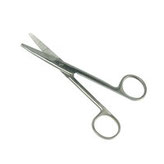
mayo scissors
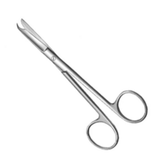
spencer stitch scissors
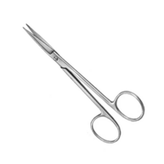
iris scissors
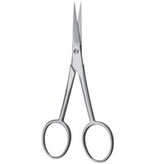
dissecting scissors
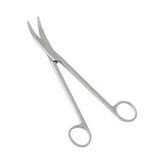
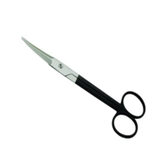
facelift scissors
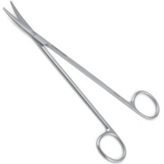
metzenbaum scissors
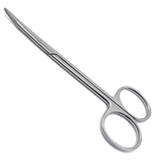
stevens tenotomy scissors
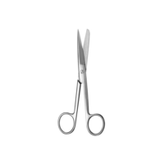
operating scissors
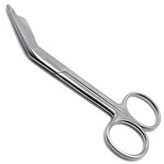
bandage scissors
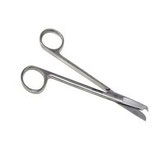
suture scissors
What are the main types of surgical scissors based on their design and function ?
The main types based on their design and function include straight scissors, which are versatile and commonly used for general cutting and dissection; curved scissors, designed to provide better access to deep or confined areas and to facilitate precise dissection; and specialized scissors such as micro scissors for fine, delicate procedures, and suture scissors used specifically for cutting sutures. Additionally, there are blunt or blunt-tipped scissors for blunt dissection to prevent tissue injury, and serrated scissors that grip tissue or sutures securely. Each type is tailored to specific surgical needs, optimizing precision and safety during procedures.
What materials are commonly used to manufacture them ?
These scissors are commonly manufactured using high-grade stainless steel due to its corrosion resistance, durability, and ability to maintain a sharp edge. Some models may also be made from carbon steel for enhanced sharpness and cutting performance, though it is less resistant to rust. Additionally, certain specialized scissors incorporate materials like tungsten or titanium for specific applications, but stainless steel remains the most prevalent choice in surgical instruments.
How does the shape of the blades (straight vs. curved) affect their use ?
The shape of the blades in surgical scissor significantly influences their use by providing different advantages in various surgical contexts. Straight blades are generally preferred for cutting tissues, sutures, or materials in open surgeries where direct access and visibility are available, allowing for precise and controlled cuts. Curved blades, on the other hand, are designed to facilitate access to deeper or harder-to-reach areas, enabling surgeons to maneuver around structures more easily and make more controlled incisions or dissections in confined spaces. The curvature can also help in minimizing tissue trauma by allowing a more natural slicing motion and improving visibility during delicate procedures.
How should these scissors be sterilized to prevent infection ?
Surgical scissors should be sterilized using methods that effectively eliminate all microorganisms without damaging the instruments. Common sterilization techniques include autoclaving, which uses high-pressure saturated steam at temperatures of around 121 to 134 degrees Celsius, ensuring thorough sterilization. It is important to thoroughly clean the scissors to remove blood, tissue, and debris before sterilization, as residual matter can hinder the sterilization process. Proper drying after cleaning is essential to prevent rusting and corrosion. Alcohol-based or chemical sterilants can be used for instruments that cannot withstand high temperatures, but they may not provide as complete sterilization as autoclaving. Ensuring that scissors are stored in sterile, dry environments after sterilization helps maintain their sterility until use.
How often should scissors for surgery be inspected and sharpened ?
They should be inspected regularly to ensure they are in proper working condition and maintain their effectiveness. Typically, they should be inspected before each use for signs of damage, dullness, or misalignment. A more thorough inspection and sharpening should be performed at least every 3 to 6 months, depending on the frequency of use and the manufacturer's recommendations.
If the scissors become dull, show signs of nicks, or do not cut tissues cleanly, they should be sharpened promptly. Proper maintenance, including regular inspection and sharpening, helps prevent tissue trauma, ensures precise cuts, and extends the lifespan of the instruments.
How do you select the appropriate surgical scissors for a specific procedure ?
To select the appropriate scissors for a specific procedure, you should consider the type of tissue or material being cut, the design and shape of the scissors such as straight or curved, and the size and length suited to the area of operation. The blade type, whether sharp or blunt, is important for the precision required, and the material quality ensures durability and ease of sterilization. Additionally, some procedures may require specialized features like serrated blades or micro scissors. Ultimately, surgeon preference and comfort, along with the specific demands of the procedure, guide the selection to ensure safe, effective, and efficient surgical outcomes.
What are the best practices for maintaining and storing them ?
The best practices for maintaining and storing these scissors include thoroughly cleaning and sterilizing them after each use to prevent contamination and corrosion, inspecting the scissors regularly for signs of damage or dullness, and sharpening them as needed to maintain cutting efficiency. It is important to handle them carefully to avoid damage to the blades and joints, and to store them in a designated, dry, and organized container or tray that protects the blades from damage and prevents rust. Proper storage involves keeping scissors in a clean, dry environment, preferably in a designated instrument tray or case, and avoiding overcrowding to prevent blade nicks or misalignment. Regular maintenance and correct storage practices ensure the longevity and optimal performance of them.