Surgical clamps
Surgical clamps are specialized medical instruments used by healthcare professionals during surgical procedures to grasp, hold, compress, or occlude tissues, blood vessels, or other structures. They are essential for controlling bleeding, securing tissues, and providing a clear surgical field.
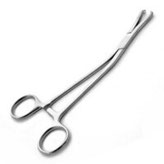
vascular clamp
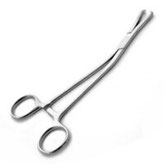
towel clamp
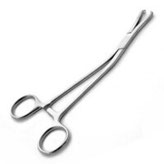
fogarty clamp
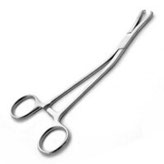
bone holding clamp
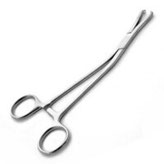
hemostatic clamp
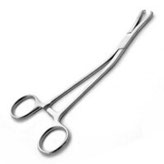
duval clamp
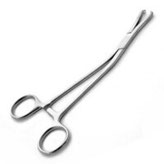
bulldog clamp
What material are most clamps for surgery made from ?
Most clamps are made from stainless steel. Stainless steel is preferred because it is durable, resistant to corrosion and staining, easy to sterilize, and maintains sharpness and strength through repeated use. These properties make it ideal for surgical instruments that require high durability and hygiene standards.
What factors influence the choice of a specific clamp during surgery ?
The factors that influence the choice of a specific clamp during surgery include the size and type of blood vessels or tissues to be clamped, the nature of the surgical procedure, the required strength and grip of the clamp, compatibility with sterilization processes, the need for atraumatic or atraumatic-like handling, the length and design of the clamp to access different surgical sites, and the surgeon's personal preference or experience with certain types of clamps. Additionally, considerations such as the clamp's material, locking mechanism, and potential for tissue damage also play a role in selecting the appropriate clamp for a particular surgical task.
What are the differences between disposable and reusable surgical clamp ?
Disposable clamps are made from lightweight materials designed for single-use, come pre-sterilized, and are discarded after one procedure, which helps prevent cross-contamination but can generate more waste. Reusable clamps are constructed from durable, high-quality materials like stainless steel, intended for multiple sterilization cycles, and require thorough cleaning and sterilization after each use to maintain safety. While disposable clamps are generally cheaper per item and convenient, reusable clamps have a higher initial cost but are more economical over time and environmentally friendly. Reusable clamps tend to be more durable and capable of withstanding repeated sterilizations, whereas disposable clamps may have limited strength and lifespan. The choice between the two depends on factors such as cost, environmental considerations, and institutional protocols.
How does the design of a clamp ensure minimal tissue trauma ?
The design of a clamp ensures minimal tissue trauma through features such as atraumatic or atraumatic-like tips that distribute pressure evenly to prevent crushing or cutting tissues, smooth and rounded edges to reduce tissue damage, appropriate jaw surface textures that provide secure grip without excessive force, and a locking mechanism that maintains consistent pressure without the need for excessive force. Additionally, the size and shape of the clamp are designed to match the specific tissue or vessel, and the overall ergonomics facilitate precise handling, all of which contribute to minimizing trauma during surgical procedures.
How do clamp sizes vary, and how is the appropriate size selected ?
Clamp sizes vary based on their intended use, with smaller sizes suitable for delicate tissues or small vessels and larger sizes used for thicker tissues or larger vessels. The selection of the appropriate size depends on the diameter of the tissue or vessel to be clamped, ensuring a secure grip without causing unnecessary trauma or damage. Surgeons choose clamps that match the size of the target tissue, considering factors such as the tissue's fragility, the need for secure occlusion, and the accessibility of the surgical site, to optimize both safety and efficacy during the procedure.
How should surgical clamps be sterilized ?
They should be sterilized using methods such as autoclaving, which involves high-pressure saturated steam at a temperature of around 121°C to 134°C for a specific duration, typically 15 to 30 minutes. They can also be sterilized through chemical sterilants like ethylene oxide gas or cold sterilization with agents such as glutaraldehyde or hydrogen peroxide plasma, especially if they are heat-sensitive. Proper cleaning to remove debris and blood before sterilization is essential, and instruments should be thoroughly rinsed, dried, and inspected for damage before and after the sterilization process to ensure they remain effective and safe for use.
What are some signs indicating a clamp needs replacement ?
Signs indicating a clamp for surgery needs replacement include:
Visible damage or deformation - bent, cracked, or broken jaws or tips that compromise the clamp’s function.
Damage to locking mechanisms - worn or malfunctioning locks that prevent secure closure.
Corrosion or rust - surface deterioration that may weaken the clamp and pose infection risks.
Loss of proper tension or grip - reduced ability to hold tissues securely, indicating wear.
Surface roughness or pitting - which can cause tissue trauma or impede proper handling.
Difficulty opening or closing - due to mechanical failure or debris accumulation.
Persistent malfunction after cleaning and sterilization - signaling internal damage or wear.
Regular inspection before and after use helps ensure clamps are in optimal condition to prevent tissue injury and maintain surgical safety.
How should surgical clamp be stored when not in use ?
It should be stored in a clean, dry, and designated storage area, ideally in a manner that protects them from contamination, damage, and moisture. They should be kept in sterile or sealed containers or trays to maintain their sterility until needed. Proper organization and separation from unrelated instruments help prevent cross-contamination and ensure easy access. Additionally, storage conditions should adhere to sterilization and hygiene standards, and the storage environment should be regularly cleaned and maintained to preserve the integrity and sterility of the clamps.