Sterilization baskets
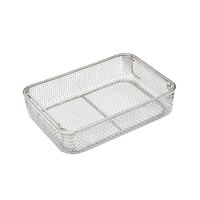
Sterilization baskets are specialized containers used in healthcare, laboratory, and sterilization settings to hold medical instruments, surgical tools, or other items during the sterilization process. They are designed to facilitate thorough cleaning, sterilization, and handling of instruments while ensuring their safety and integrity.
What materials are they typically made from ?
They are typically made from stainless steel, particularly surgical-grade stainless steel such as 304 or 316, due to its durability, corrosion resistance, and ability to withstand high temperatures. Some baskets may also be made from high-temperature resistant plastics or, less commonly, aluminum, but stainless steel remains the standard material for their strength and longevity.
What is the common size and shape of sterilization basket ?
They come in a variety of sizes and shapes to accommodate different instruments and procedural needs. Common sizes range from small, compact baskets suitable for holding delicate or small instruments to larger, deeper baskets designed for bulkier or multiple items. Shapes typically include rectangular, square, and circular configurations, with some baskets featuring open or perforated sides to allow steam or sterilizing agents to penetrate effectively. Rectangular baskets are the most common, often designed to fit into sterilizers or autoclaves, while circular or other specialized shapes are used for specific instruments or procedural requirements.
How should they be cleaned and maintained ?
These baskets should be cleaned regularly using appropriate cleaning agents that do not corrode or damage the material, typically warm water and mild detergents or enzymatic cleaners. It is important to scrub all surfaces, including perforations and corners, to remove residual debris and biofilm. Rinsing thoroughly with sterile or distilled water helps eliminate any detergent residues. After cleaning, baskets should be dried completely to prevent corrosion or rusting, especially if made from stainless steel. Regular inspection is essential to check for signs of wear, corrosion, or damage, and any compromised baskets should be repaired or replaced. Proper storage in a dry, clean environment helps maintain their condition and prevents contamination.
Can they be reused multiple times ?
Yes, sterilization baskets can be reused multiple times, provided they are properly maintained and in good condition. Regular cleaning, thorough inspection for wear or damage, and proper storage are essential to ensure their longevity and effectiveness. It is important to follow the manufacturer's guidelines for cleaning, sterilization, and maintenance to prevent corrosion, contamination, or structural compromise. When baskets show signs of significant wear, corrosion, or damage, they should be replaced to maintain safety and sterilization efficacy.
Are there different types of them for different medical instruments ?
Yes, there are different types designed to accommodate various medical instruments. These include standard general-purpose baskets, specialized baskets for dental, endoscopic, or orthopedic instruments, perforated or mesh baskets for small or delicate tools, and divided or compartmentalized baskets to organize instruments securely. Each type is tailored to ensure effective sterilization and proper handling of specific instrument sets.
What features should one look for when choosing a sterilization basket ?
When choosing it, consider the following features to ensure it meets your needs:
Material quality - opt for baskets made of durable, corrosion-resistant materials such as stainless steel (preferably surgical-grade) to withstand repeated sterilization cycles.
Design and shape - select a shape (rectangular, square, circular) that fits your sterilizer and accommodates your instruments efficiently. Look for baskets with open or perforated sides for effective sterilant penetration.
Size and capacity - ensure the basket size matches your instrument load requirements - large enough to hold all items but not so big that sterilization efficiency is compromised.
Ease of cleaning - features like smooth surfaces, minimal crevices, and removable parts facilitate thorough cleaning and maintenance.
Handling features - look for ergonomic handles or grips for safe handling, especially when hot or wet.
Compatibility - confirm that the basket is compatible with your sterilizer type (e.g., autoclave) and can withstand the sterilization temperatures and methods used.
Sterilization compatibility - ensure the basket can endure repeated sterilization cycles without degradation or corrosion.
Stackability and organization - some baskets are stackable or come with dividers, which help organize instruments and optimize space.
Regulatory compliance - make sure the basket meets relevant standards and regulations for medical or dental sterilization equipment.
Durability and longevity - consider the overall build quality and warranty, ensuring long-term usability and cost-effectiveness.
How do you prevent corrosion or wear in sterilization baskets ?
To prevent corrosion or wear, it's important to use baskets made from high-quality, corrosion-resistant materials such as stainless steel. Regular cleaning and thorough drying after each use remove residual moisture that can promote corrosion. Avoiding harsh or abrasive cleaning agents and using appropriate cleaning tools also helps maintain the basket's integrity. Implementing proper maintenance routines, inspecting for signs of damage or corrosion periodically, and storing baskets in a dry, well-ventilated area further protect against deterioration. Proper handling to prevent physical damage and avoiding exposure to corrosive chemicals contribute to extending their lifespan.
What is its typical lifespan ?
The typical lifespan of a sterilization basket varies depending on the material, usage frequency, and maintenance practices. Generally, high-quality stainless steel baskets can last between 5 to 10 years or more with proper care. Proper cleaning, regular inspection for damage or corrosion, and avoiding harsh cleaning agents can help extend the lifespan of the basket. Over time, wear and tear may necessitate replacement to ensure continued safety and effectiveness in sterilization processes.