Surgical rasps
Surgical rasps are specialized medical instruments used primarily in orthopedic and dental surgeries to shape, smooth, or remove bone and other hard tissues. They consist of a handle attached to a rough, abrasive, or serrated metal surface, which helps in contouring bone surfaces, preparing the bone for implants or prostheses, and removing irregularities.
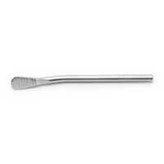
bone rasp
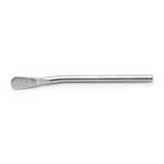
cottle rasp
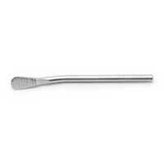
lewis rasp
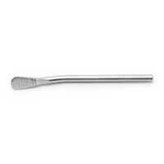
joseph rasp
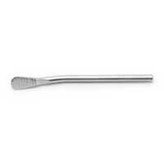
fomon rasp
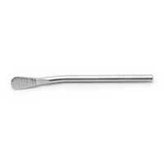
aufricht rasp
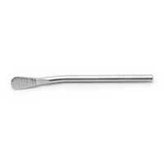
nasal rasp
What materials are they typically made of ?
They are typically made of stainless steel due to its durability, corrosion resistance, and ease of sterilization. Some specialized ones may also be made from high-grade alloys or other metals designed to withstand the stresses of surgical use.
What are the common shapes and sizes of them ?
Common shapes include flat, curved, and serrated designs, each suited for different types of bone or tissue contouring. Sizes vary from small, detailed ones for delicate work to larger, more robust ones for extensive shaping, with lengths ranging from a few centimeters to over 20 centimeters and varied widths to accommodate different surgical needs.
In which surgical specialties are rasps most commonly used ?
They are most commonly used in orthopedic surgery, maxillofacial surgery, and neurosurgery, where they facilitate shaping and smoothing of bones, cartilage, and other tissues during reconstructive procedures.
How does the design of a rasp influence its function ?
The design influences its function by determining how effectively it can shape, smooth, or remove tissue or bone. Its shape and contour allow it to conform to specific anatomical surfaces, while the configuration of its teeth affects cutting efficiency and tissue removal. The handle design and ergonomics improve control and precision during use, and the materials and flexibility of it enable it to adapt to different tissue densities and surface curves.
How do you sterilize rasps for surgery ?
They are typically sterilized using methods that ensure all microbial life is eliminated without damaging the instrument. Common sterilization techniques include steam sterilization, where they are exposed to high-pressure saturated steam at temperatures of around 121°C to 134°C for a specified period, usually 15-30 minutes. Before autoclaving, they should be thoroughly cleaned to remove blood, tissue, and debris, either manually or with ultrasonic cleaning. In some cases, chemical sterilants or gas sterilization (such as ethylene oxide) may be used, especially if they are delicate or heat-sensitive. Proper packaging, such as sterilization pouches or wraps, ensures they remain sterile until use.
How do you choose the appropriate rasp for a specific procedure ?
Choosing the appropriate one for a specific procedure involves considering the size and shape of the area to be treated, the type of tissue or bone involved, and the desired level of material removal or shaping. The surgeon assesses the anatomical features and selects it with the correct contour, length, and tooth configuration to match the surgical site. The hardness and density of the tissue or bone also influence the choice, as some they are designed for softer tissues while others are more suited for denser bone. Additionally, the procedure’s precision requirements and the surgeon’s familiarity with certain it types guide the selection to ensure efficient, safe, and effective results.