Osteotomes
Osteotomes are specialized surgical instruments used by orthopedic and maxillofacial surgeons to cut, shape, or remove bone tissue. They resemble chisels and are designed to create precise cuts or fractures in bone during surgical procedures such as osteotomies (cutting of bone), bone grafting, or corrective surgeries. They come in various sizes and shapes depending on the specific application, and they are typically used with a mallet to carefully fracture or reshape bone structures.
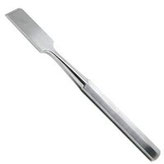
lambotte osteotome
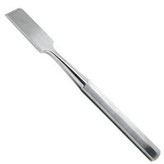
lexer osteotome
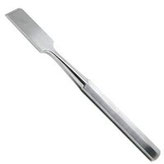
smith peterson osteotome
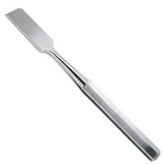
cottle osteotome
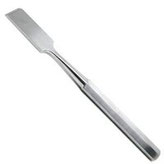
neivert osteotome
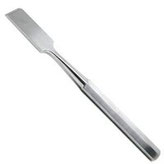
stiletto osteotome
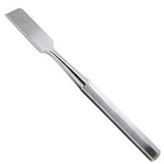
nasal osteotomes
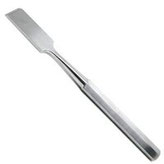
cinelli osteotome
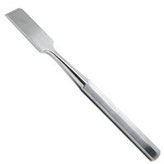
interchangeable osteotome
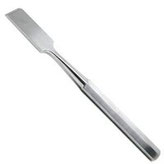
converse osteotome
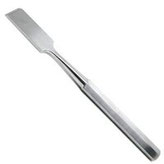
long bevel osteotome
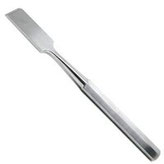
silver osteotome
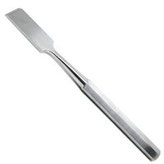
bauer osteotome
What materials are they typically made from ?
They are typically made from high-quality stainless steel or carbon steel. These materials are chosen for their durability, strength, corrosion resistance, and ability to maintain a sharp edge, which are essential qualities for surgical instruments used in cutting bone.
How are surgical osteotomes sterilized before use ?
They are sterilized before use through standard sterilization procedures such as autoclaving, which involves exposing the instruments to high-pressure saturated steam at temperatures of around 121°C to 134°C for a specified period. They can also be sterilized using chemical sterilants or ethylene oxide gas if autoclaving is not suitable. Proper cleaning to remove any debris followed by sterilization ensures the instruments are free of microorganisms and safe for surgical procedures.
What are the advantages of using them over other cutting instruments ?
They offer several advantages over other cutting instruments including their precise control and ability to make clean, controlled cuts in bone, which helps minimize damage to surrounding tissues. They are designed to be used with controlled force, allowing for effective cutting or shaping of bone during surgical procedures. They are also versatile, available in various sizes and shapes to suit different surgical needs, and they can be used for both cutting and levering, providing additional leverage and control. Their durability and sharpness enable repeated use without significant dulling, and their design facilitates minimal trauma to bone and surrounding tissues, promoting better healing outcomes.
How does the design of an osteotome facilitate precise bone cuts ?
The design facilitates precise bone cuts through its sharp, narrow beveled edge that allows for clean and controlled incisions with minimal force. Its tapered or flat blade shapes are tailored for specific osteotomies, enabling targeted and accurate removal of bone. The ergonomic handle provides a secure grip, giving the surgeon better control over the direction and force applied during cutting. Additionally, being made of durable, high-quality steel ensures the instrument maintains its sharpness over multiple uses, supporting consistent precision. The ability to use it with controlled force, often in conjunction with a mallet, allows for subtle adjustments and accurate cuts essential in delicate surgical procedures.
In which surgical specialties are they most commonly used ?
They are most commonly used in surgical specialties such as maxillofacial surgery, oral and maxillofacial surgery, orthopedic surgery, and plastic and reconstructive surgery. They are frequently employed in procedures involving precise bone cutting and shaping, such as jaw surgeries, facial fracture repairs, limb osteotomies, and reconstructive surgeries where accurate bone osteotomies are essential for successful outcomes.
What are the common sizes and shapes of them available ?
range from small, narrow instruments measuring about 3mm to larger, broader ones up to 15mm or more in width. The shapes typically include straight, curved, or beveled edges, designed for specific types of cuts and access angles. Straight ones are used for straightforward cuts, while curved or angled ones facilitate work in confined or awkward areas. The beveled edges vary from fine to broad, allowing precise or more forceful cuts depending on the surgical requirement. These variations help surgeons select the appropriate one for delicate or extensive bone procedures.
How important is the sharpening and maintenance of osteotomes for surgery ?
The sharpening and maintenance are extremely important because they ensure the instruments remain effective, safe, and precise during surgical procedures. Dull or poorly maintained osteotomes can cause increased tissue trauma, less accurate cuts, and a higher risk of complications. Properly sharpened and maintained products help achieve cleaner, more controlled cuts, reduce the effort needed during surgery, and prolong the lifespan of the instruments, ultimately contributing to better surgical outcomes and patient safety.
What is the typical lifespan of a surgical osteotome with proper care ?
The typical lifespan with proper care can vary depending on its quality, usage frequency, and maintenance practices. Generally, a high-quality product that is regularly sharpened, properly sterilized, and carefully handled can last many years, often ranging from 5 to 10 years or more. With diligent maintenance, some of them may even remain functional for over a decade, but it is important to regularly assess their condition and replace them if they show signs of wear or damage to ensure optimal performance and safety.