Surgical dissectors
Surgical dissectors are specialized surgical instruments used to carefully separate tissues, structures, or layers during surgical procedures. They help surgeons access target areas by gently teasing apart or cutting through tissues with precision, minimizing trauma and preserving surrounding structures.
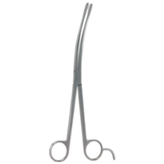
penfield dissector
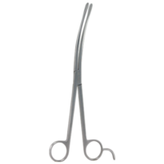
laparoscopic dissector
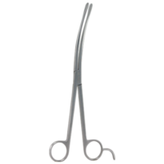
olivecrona dissector
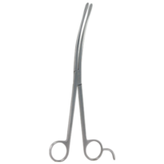
rhoton dissector
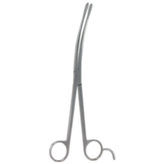
maryland dissector
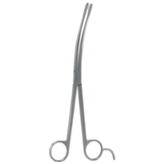
bipolar dissector
What materials are typically used to their manufacture ?
They are typically manufactured from high-quality stainless steel due to its durability, corrosion resistance, and ease of sterilization. Some of them may also incorporate materials such as titanium for enhanced strength and lightweight properties, or have coatings like nickel or teflon to improve biocompatibility and reduce tissue adhesion. In certain cases, plastic or composite materials might be used for handles to provide an ergonomic grip, but the critical dissection components are generally made from stainless steel or other biocompatible metals.
In which surgical procedures are dissectors most frequently used ?
They are most frequently used in a wide variety of procedures across different specialties. Some common examples include:
Neurosurgery - to delicately separate brain tissues, blood vessels, or dura mater.
Plastic and reconstructive surgery - for tissue dissection, flap elevation, and separation of skin and subcutaneous tissues.
General surgery - during abdominal surgeries such as appendectomies, hernia repairs, and bowel resections to dissect tissues and expose structures.
Orthopedic surgery - for periosteal elevation and soft tissue dissection around bones and joints.
ENT (Otorhinolaryngology) - in procedures like tonsillectomies or sinus surgeries to carefully dissect tissues.
Vascular surgery - to isolate and protect blood vessels during bypass or aneurysm repair.
Gynecological surgery - for dissecting tissues during hysterectomies or ovarian surgeries.
Urological procedures - when accessing or dissecting the urinary tract or reproductive organs.
How does the design of a surgical dissector contribute to its effectiveness ?
The design contributes to its effectiveness by providing precise control and ease of maneuverability, which are essential for delicate tissue dissection. An ergonomically shaped handle ensures comfort and reduces hand fatigue during procedures. The tip design, whether pointed, blunt, or a combination, allows for targeted dissection with minimal tissue trauma. The overall length and balance of the instrument enable accurate manipulation within the surgical site. Features such as textured grips prevent slipping, and the weight distribution ensures stability, all of which enhance the surgeon’s ability to perform precise and safe dissections efficiently.
Are there reusable and disposable dissectors for surgery ?
Yes, there are both available. Reusable ones are typically made from durable materials like stainless steel or titanium, allowing them to be sterilized and used multiple times, which can be cost-effective and environmentally friendly. Disposable ones, on the other hand, are usually made from high-quality plastics or composite materials designed for single use to ensure sterility and reduce the risk of cross-contamination. The choice between reusable and disposable dissectors depends on factors such as the surgical setting, cost considerations, infection control protocols, and institutional preferences.
How do you sterilize them properly ?
To sterilize them properly, first clean them thoroughly with detergent and water immediately after use. Use an ultrasonic cleaner if available for more effective cleaning. Rinse them well to remove any debris or residues and then dry completely to prevent rusting. Sterilize them using an autoclave with steam at the appropriate temperature and pressure, or use ethylene oxide gas or plasma sterilization methods if the instruments are heat-sensitive. Store the sterilized them in a sterile, dry environment until needed. Regularly inspect them for damage or corrosion before sterilization.
How can the use of them minimize tissue trauma during surgery ?
Their use can minimize tissue trauma during surgery by providing precise control and gentle separation of tissues, reducing unnecessary force and tearing. Their design allows for careful dissection along natural tissue planes, which helps preserve surrounding structures and minimizes damage. Additionally, specialized tips and controlled handling enable surgeons to target specific tissues accurately, leading to less bleeding, reduced inflammation, and faster healing. Proper use promotes safer, more delicate tissue handling, ultimately improving surgical outcomes.
What are the key features to look for when selecting a dissector ?
When selecting a product, key features to consider include the quality and durability of the material, typically stainless steel, to ensure longevity and resistance to corrosion. The design and ergonomic shape should provide a comfortable grip and precise control during use. The tip should be appropriately shaped and sharp enough for effective dissection without causing excessive tissue trauma. The size and length should suit the specific surgical procedure, allowing for ease of maneuverability. Additionally, compatibility with sterilization methods and ease of cleaning are important factors.
How do you maintain and store them to ensure longevity ?
To maintain and store surgical dissectors properly, it's essential to clean them thoroughly after each use, preferably immediately, using appropriate cleaning agents and tools to remove tissue residues and contaminants. Dissemblers should be carefully inspected for any damage or corrosion before storage. They should be dried completely to prevent rusting, especially if made of metal, and stored in a clean, dry environment, preferably in a designated instrument tray or case that protects them from impacts, dust, and moisture. Regular maintenance, including sharpening or polishing if necessary, helps preserve their functionality. Proper handling during cleaning and storage ensures their longevity and reliable performance in future procedures.