Surgical curettes
Curettes are specialized dental or surgical instruments with a rounded, scoop-shaped end used for scraping or debriding tissue, bone, or deposits such as tartar or plaque. In dentistry, they are commonly used for removing calculus and infected tissue from root surfaces during periodontal therapy. In surgical procedures, they help in cleaning and debriding wounds or cavities. Their design allows for precise removal of unwanted material from hard-to-reach areas.
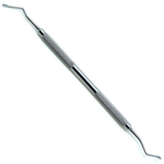
volkmann bone curette
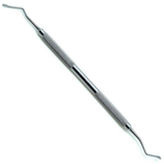
antrum curette
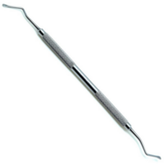
caspar bone curette
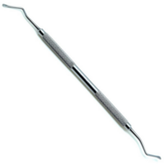
simon uterine curette
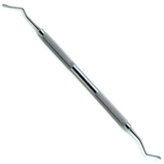
schede bone curette
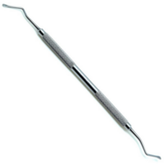
williger bone curette
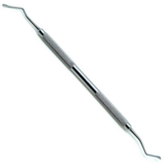
daubenspeck bone curette
What materials are commonly used to make them ?
Surgical curettes are commonly made from stainless steel due to its durability, corrosion resistance, and ease of sterilization. Some of them may also be made from other metals or alloys that provide strength and maintain sharpness, but stainless steel remains the most prevalent material used in their manufacturing.
How are they sterilized ?
They are typically sterilized using methods such as autoclaving, which involves steam under pressure at high temperatures, usually around 121°C to 134°C, to effectively eliminate all microbial life. They can also be sterilized using chemical sterilants or cold sterilization solutions, especially if they are delicate or made from materials sensitive to heat. Proper cleaning before sterilization is essential to remove debris and ensure the effectiveness of the sterilization process.
How is the cutting edge of a curette maintained ?
The cutting edge is maintained through regular sharpening using appropriate sharpening stones or fine abrasive materials to keep it sharp and effective. Additionally, proper cleaning and sterilization prevent corrosion that could dull the edge. Handling it carefully during use, avoiding unnecessary impacts or rough handling, also helps preserve the sharpness of the cutting edge. Occasionally, professional honing or sharpening by trained personnel may be performed to restore the edge to optimal condition.
What are their common sizes ?
They commonly vary in size based on their diameter and length, with small sizes around 1 to 2 millimeters for delicate procedures, medium sizes approximately 2 to 4 millimeters suitable for general tissue removal, and larger sizes exceeding 4 millimeters used for bulk tissue debridement. The lengths typically range from about 10 to 20 centimeters, and specific sizes may be designated by manufacturer labels such as numbers or letters to indicate blade size and angulation.
How do you handle and store curettes for surgery to maintain their sharpness ?
To handle and store them properly and maintain their sharpness, it is important to handle them with care, avoiding unnecessary contact with non-sterile surfaces or objects that could dull the blade. After use, they should be thoroughly cleaned to remove any biological material, preferably using enzymatic cleaners or mild detergents, and then rinsed with water. They should be dried carefully to prevent rusting. For sterilization, they are best sterilized using methods such as autoclaving, which do not damage the metal. When storing, they should be kept in a clean, dry, and organized manner, ideally in designated instrument trays or pouches that protect the blades from contact with other instruments or surfaces, preventing dulling or damage. Regular inspection and sharpening are also essential to ensure they remain effective for clinical use.
What are the common signs of wear or damage in it ?
Common signs of wear or damage include dull or chipped blades, which reduce cutting efficiency, bent or warped blades that affect the instrument's shape and precision, corrosion or rust spots indicating deterioration of the metal, and loose or damaged handles that compromise grip and control. Additionally, any cracks or fractures in the blade or handle can pose safety risks and indicate the need for replacement or repair. Regular inspection for these signs is essential to ensure the curette's effectiveness and safety during procedures.
How do you select the appropriate size and type of surgical curette for a procedure ?
To select the appropriate size and type for a procedure, you need to consider the specific tissue or cavity you are working with, including its size, depth, and characteristics. The nature of the procedure itself guides the choice, as different models are designed for scraping, debridement, or cleaning, and the anatomical location influences the shape and accessibility of it. Additionally, the practitioner's familiarity with certain types, along with the durability and material of it, plays a role in ensuring effective and safe handling. Ultimately, matching its design and size to the clinical requirements ensures precision, safety, and efficiency in the procedure.